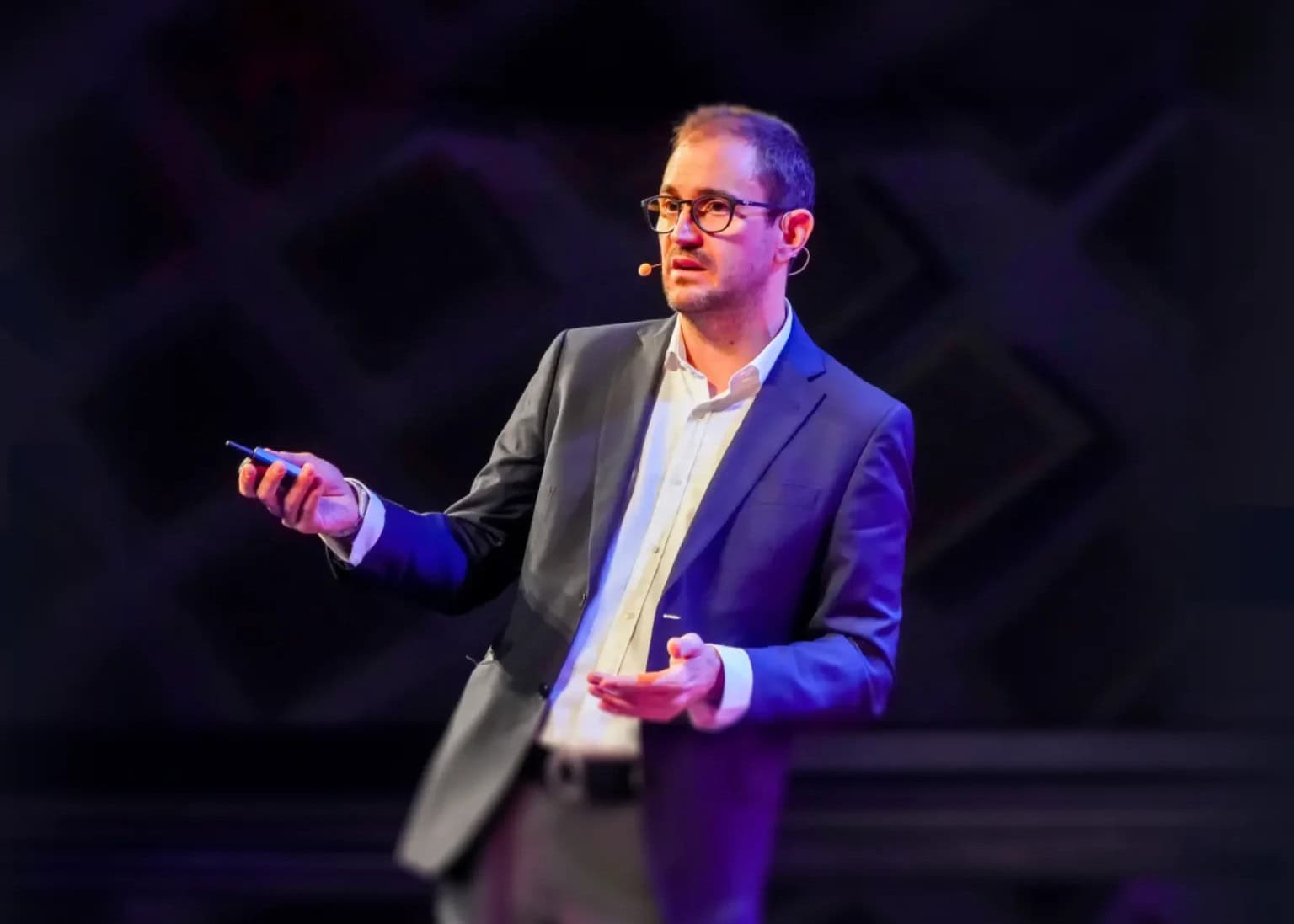
Outgoing Director of Digital Health Strategy at the Catalan Health Service Jordi Piera Jimenez is interviewed on PULSE the Podcast, where he argues the biggest gap in digital health is the missing “meaningful infrastructure” that lets systems share a common language.
As he prepares to step back from his formal role in Catalonia, Mr Piera Jimenez said too many health systems have “invested heavily in applications” while neglecting the platform foundations that other industries now take for granted.
He said the result is a sector that claims it has “digitised healthcare”, but hasn’t “made it really digital” – because digital transformation is not “just another IT project” and includes humans, workflows, care pathways and equity.
Mr Piera Jimenez said that gap shows up in what he calls “interoperability theatre” – data exchange that looks convincing from the outside, but is built on weak, point-to-point interfaces that don’t preserve meaning.
In theatre, he said, the props are “cardboard instead of concrete”. In health, it’s when organisations believe they can move data from A to B, but nobody at B can actually use it “without calling someone at A to understand what it really means”.
His alternative is a “best of both worlds” approach – keeping the competitive energy of best-of-breed, but replacing weak integrations with a common data model and open APIs – a “knowledge-driven platform” or “open platform” model where vendors compete on quality rather than lock-in.
Mr Piera Jimenez acknowledged this was hard in legacy environments – Catalonia still has 28 different hospital EMR products – but he said the path forward is consistent – agree the information models first, then procure against them and map legacy systems during the transition.
Looking a decade ahead, Mr Piera Jimenez envisioned people moving seamlessly across care settings, records following them, digital consent embedded by default and citizens having genuine agency – including clearer feedback on how their data is used and what public benefit it creates.
Go to the podcast for the full 30 minute interview.