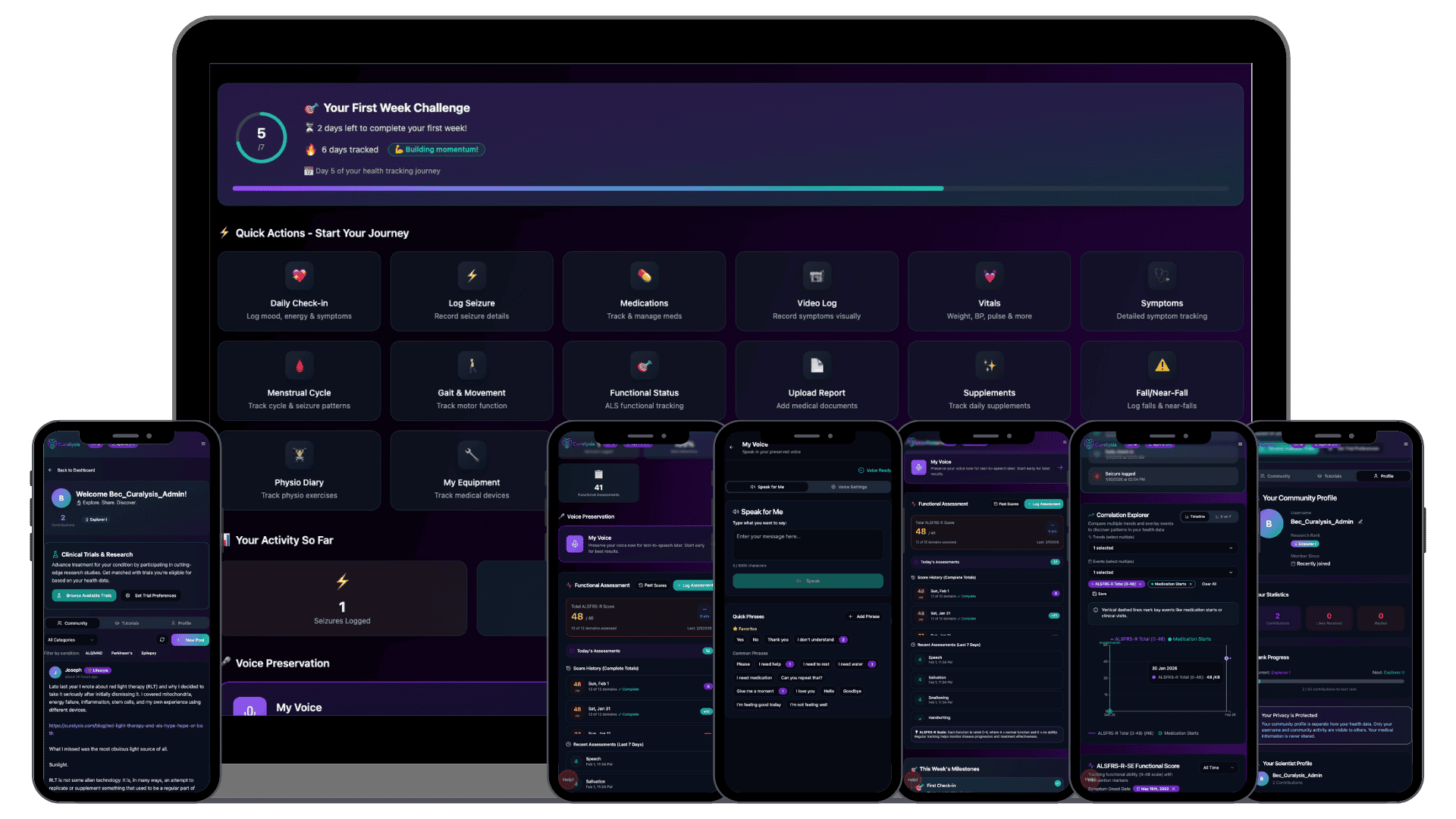
Two Australian start-up founders living with neurological conditions have launched a crowdfunding campaign to support the first clinical trial of their platform Curalysis, which seeks to turn patient-generated data into a new model for long-term neurological care.
The platform was co-founded by Far North Queensland epilepsy patient Bec Francis and Adelaide-based Amyotrophic Lateral Sclerosis / Motor Neurone Disease (ALS/MND) patient Joseph Skewes, who said the project emerged directly from the gaps they had experienced in their own care journeys.
Curalysis is designed as a longitudinal neurological health platform that allows people to track symptoms, triggers, interventions and quality-of-life measures over time – with the aim of surfacing patterns and correlations that may otherwise go unnoticed in routine clinical care.
The founders said more than 100 people were already using the platform across epilepsy and MND, with around 68 per cent opting in to contribute their data toward research – which they said was “significantly higher” than typical participation rates reported in many similar health studies.
The pair are now seeking crowdfunding to progress the platform through ethics approval, regulatory submissions and insurance requirements needed to begin a formal clinical trial.

Ms Francis, who has refractory epilepsy, said the project grew out of years of frustration with episodic neurological care focused largely on medication adjustments and infrequent specialist reviews.
“For years, the only answer I got was: ‘How many seizures? Okay. We’ll adjust your meds. See you in a year,’” she said.
In an effort to better understand her own seizure patterns, Ms Francis began collecting and analysing large amounts of personal data herself – including sleep, mood, menstrual cycle, weather conditions and lunar phases, alongside video recordings captured via home security cameras.
“I tracked everything – sleep, cycle, mood, weather, even the moon phase. I built charts. And slowly, patterns started emerging that no one had ever shown me.”
She said the analysis revealed seizure rhythms that did not align with more widely recognised catamenial epilepsy patterns, but instead appeared consistent with “multidien rhythms” – an emerging area of epilepsy research focused on longer-term cyclical seizure activity.
“My own data revealed correlations that a standard yearly neurology review would never catch. Patterns that were there the whole time. No one was tracking them in a way that made them visible.”
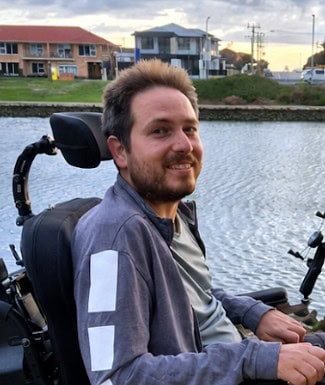
Mr Skewes, who was diagnosed with ALS/MND at age 40, said many of the same issues existed in neurodegenerative disease management, particularly around fragmented information, caregiver burden and the lack of tools to contextualise patient experience over time.
“There are gaps in how care is delivered – information is often provided like a library.
Everything is there, but often it is up to the patient or caregiver to work out what is relevant, when to use it, and how to apply it,” Mr Skewes said, adding that the pair realised they were approaching the same problem from different neurological conditions.
“We wanted to build something that could support people day to day. Because if you can make life easier, it becomes easier to capture what is actually happening.
“And when that is captured consistently, you start to build a clearer picture of individual journeys.”
The platform is built around long‑term tracking and pattern detection, with future plans including wearable integration and AI-powered analysis tools designed to help patients better interpret their own condition trajectories.
Additional funding beyond the initial fundraising target would support continuous wearable-based monitoring and AI‑powered insights – which the founders said could reduce reliance on manual tracking while improving real-time visibility into disease progression and symptom triggers.
The project has been selected for Australia’s MedTech Actuator accelerator program and has begun collaborations with clinicians, researchers and neurological associations – including a pilot with the MND Association of South Africa.
Curalysis is not currently registered as a medical device, with the founders noting the upcoming clinical trial would be the “next step” toward establishing formal evidence for regulatory pathways and future clinical deployment.
The initial fundraising target of $12,500 is intended to cover ethics approval through Bellberry ethics review services, Therapeutic Goods Administration clinical trial registration and clinical trial insurance.
If successful, the company plans to launch a 12-month study using the Curalysis platform, with findings to be published publicly and used to support future regulatory submissions, with the founders noting “This is about helping people live better lives today – while accelerating the path to effective treatments and cures.”