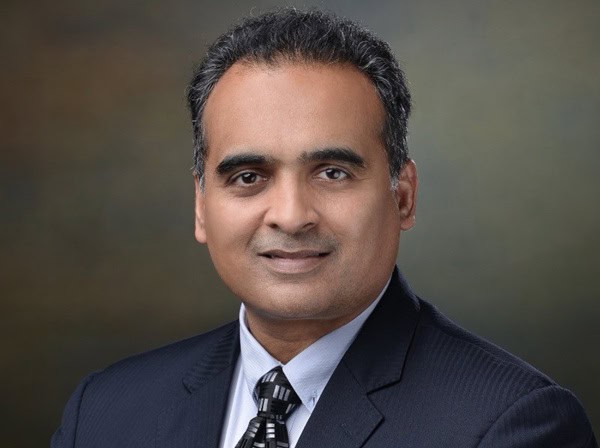
Health systems have been geared toward “the cure” – but to keep people well involves engaging, monitoring, and empowering them to seek help early, and understanding crises before they escalate, says health executive Dr Vinod Seetharaman.
Dr Seetharaman has been appointed Chief Medical Officer for Dedalus ANZ and says he has joined the team at a time when there is palpable interest and intent across the healthcare ecosystem to transform care.
“Preventative care and timely decisions are as much about sustainable medicine as they are about upholding the trust patients put on us; and we have no choice but to innovate out of this predicament,” said Dr Seetharaman.
Dr Seetharaman will work with healthcare providers, clinicians, and product development teams across Australia and New Zealand to ensure Dedalus ANZ’s solutions address regional healthcare challenges such as clinician time pressures, system integration, and patient access to timely care.
“A key focus will be ecosystem partnerships. The systemic challenges faced by healthcare organisations today will require the entire healthcare ecosystem to collaborate. Ecosystem partnerships between vendors, government, statutory bodies will be key,” Dr Seetharaman said.
Dedalus ANZ Managing Director Travis Stephenson said Dr Seetharaman’s appointment underscored the commitment to partnering closely with clinicians and healthcare providers to ensure solutions meet the real needs of the ANZ health system.
“His clinical experience and leadership will be invaluable as we continue to support our customers in improving connectivity, efficiency, and patient access across the region,” Mr Stephenson said.
ON PRECISION HEALTH
“The biggest opportunities to reduce disease and healthcare costs come from prevention. By the time treatment starts, those opportunities are already lost,” Dr Seetharaman told Pulse+IT.
“While broader adoption is still evolving, the use of precision medicine in preventive care holds significant promise. Precision diagnostics and precision medicine have the potential to address systemic healthcare challenges and play a critical role in managing the rising cost of chronic disease
“AI and precision medicine are increasingly reshaping how we discover drugs and deliver care. Care delivery is not confined to the hospital and technology is extending it into the home, expanding the scope of virtual care.
“The real differentiator will be how technology enables us to effectively integrate social determinants of health to drive proactive, whole-person intervention. In many countries, Departments of social welfare and health institutions are coming together to piece the collage together so they can actively intervene.”
CLINICIANS WANT USABILITY
Dr Seetharaman says technology must be more accessible and usable for clinicians. Dedalus had a lot to contribute from its global implementation experience, particularly the European product portfolio which includes the ORBIS EMR.
“We’ve brought specific solutions relevant to the Australian landscape. One challenge is the burden clinicians face from poorly designed technology; another is pivot to preventive care that needs better situational awareness and active engagement.
“There’s a lot more to do in terms of how data is used to make smarter decisions such as predicting health events and facilitating collaboration. There are large gaps in continuity of care because information doesn’t transfer between clinicians.
“We’ve also got an immense workforce shortage. By 2030 we’ll be short of more than 150,000 medical workers.
“We focus on making technology easy to use and intuitive. We design products based on typical usage archetypes rather than one-size-fits-all.”
AN INDUSTRY LEADER
Dr Seetharaman brings 23 years of medical and leadership expertise to the role, combining a strong foundation in medicine with deep expertise in healthcare digital transformation.
He has previously worked with governments, public health agencies and provider networks across the Asia Pacific region, contributing to advancement in national interoperability initiatives, digital patient engagement platforms, personalised medicine, disease surveillance and population health.
“Medicine has always been my first passion, but technology was never far behind. After practising across public and private healthcare, I became involved in technology initiatives aimed at improving rural access to care,” he said.
“That was a turning point. I realised that technology offered a more scalable way to serve communities, which led me to focus and commit to understanding how technology can drive real change,” Dr Seetharaman said.
On his expectations and plans for his role in Australia, Dr Seetharaman said: “There’s tremendous value we can bring to clients. Clinical leaders – CMOs, directors of medical services, chief nursing officers, health system executives are core to how care standards are defined and technology is adopted.
“Dedalus can enable leaders with technologies that can help them actively manage mandates around clinical governance, quality of care, risk & compliance etc,” he said.